
Start with the debt
Enter the balance, interest rate, current payment, and whether the loan is mortgage, auto, student, credit card, or other debt.
Flames Financial Dashboard
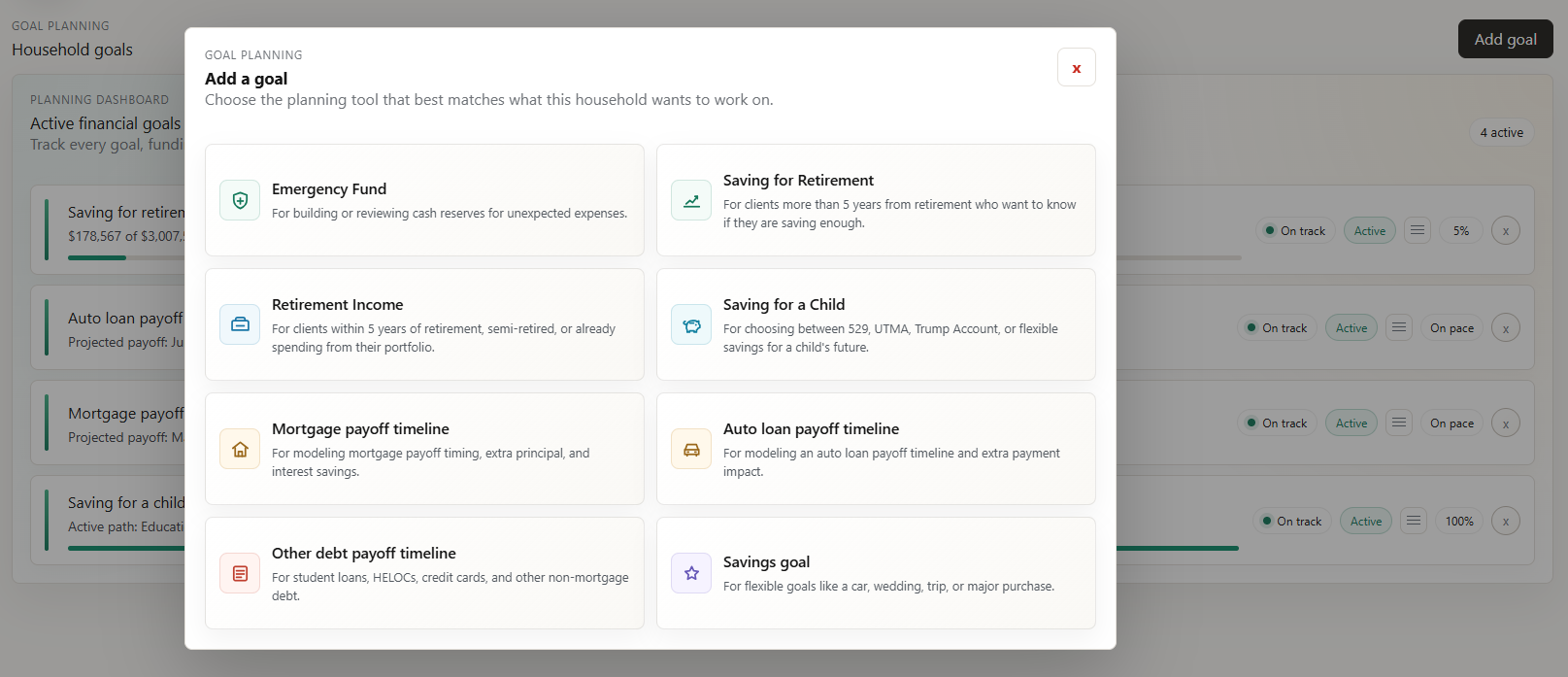
Compare payoff timelines, extra payments, interest saved, and the tradeoff between paying debt faster and saving more.
Direct answer
Compare safety cash, interest rate, employer match, tax benefits, payoff timing, and flexibility before sending extra dollars to debt. A simple order is: make minimum payments, keep a starter emergency fund, capture any employer retirement match, attack high-interest debt, then compare extra debt payoff against retirement savings, cash goals, and other household priorities. The Flames Financial Dashboard helps turn the choice into a visible timeline.
Payoff math
The dashboard payoff tools use the details that change the decision: interest rate, current payment, extra payment, one-time principal payments, payoff date, and interest saved.
Enter the balance, interest rate, current payment, and whether the loan is mortgage, auto, student, credit card, or other debt.
Compare regular extra payments or a one-time principal payment against the current payoff path.
Look at payoff timing, interest saved, monthly cash-flow impact, and whether those dollars are needed for emergency fund or retirement savings.
More questions
Compare safety cash, interest rate, employer match, tax benefits, payoff timing, and flexibility before sending extra dollars to debt. A simple order is to make minimum payments, keep a starter emergency fund, capture any employer retirement match, attack high-interest debt, then compare extra debt payoff against retirement savings, cash goals, and other household priorities.
Decision framework
The answer depends on the rate, risk, and household context. These are planning guidelines, not personalized advice.
Credit cards and other high-rate debts often deserve priority after minimum safety cash and required payments are covered.
Student loans, auto loans, or personal loans may need a side-by-side comparison with retirement savings, cash goals, and flexibility.
Low-rate mortgages or subsidized loans may not beat investing or cash flexibility, especially when the household has other gaps.
FAQ
Make minimum payments first, keep at least starter emergency savings, capture any employer match, then prioritize high-interest debt. For lower-rate debt, compare interest savings against retirement savings, emergency fund needs, taxes, and flexibility.
At least compare the interest rate, employer match, tax benefits, cash-flow risk, and time horizon. Many households should capture an employer match before paying extra toward lower-rate debt.
Usually yes. A starter emergency fund can prevent one surprise expense from becoming new high-interest debt.
The debt avalanche method pays minimums on all debts, then sends extra dollars to the highest-interest debt first.
The debt snowball method pays minimums on all debts, then sends extra dollars to the smallest balance first for faster visible progress.
The Flames Financial Dashboard is an educational planning tool. It is not financial, tax, legal, or investment advice. Debt payoff decisions should be reviewed in the context of cash reserves, taxes, retirement savings, and household risk.