
Know where you are
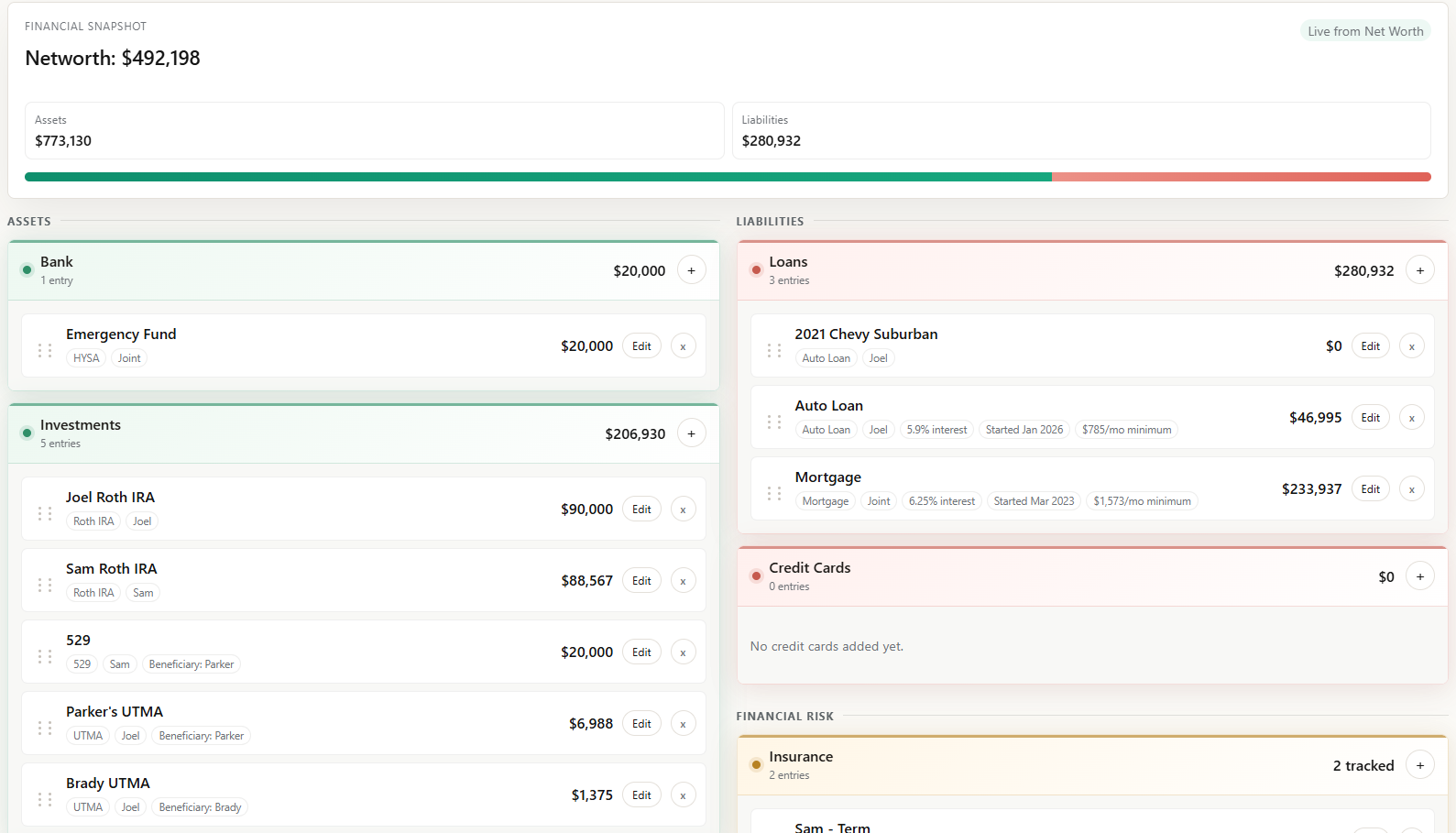
Track assets, liabilities, insurance, estate documents, and your overall net worth snapshot.
Explore net worth trackingFlames Financial Dashboard
Use a free planning dashboard to organize net worth, cash flow, goals, debt, retirement, insurance, estate documents, and planning questions in one connected place.
Want personalized advice? Schedule a discovery meeting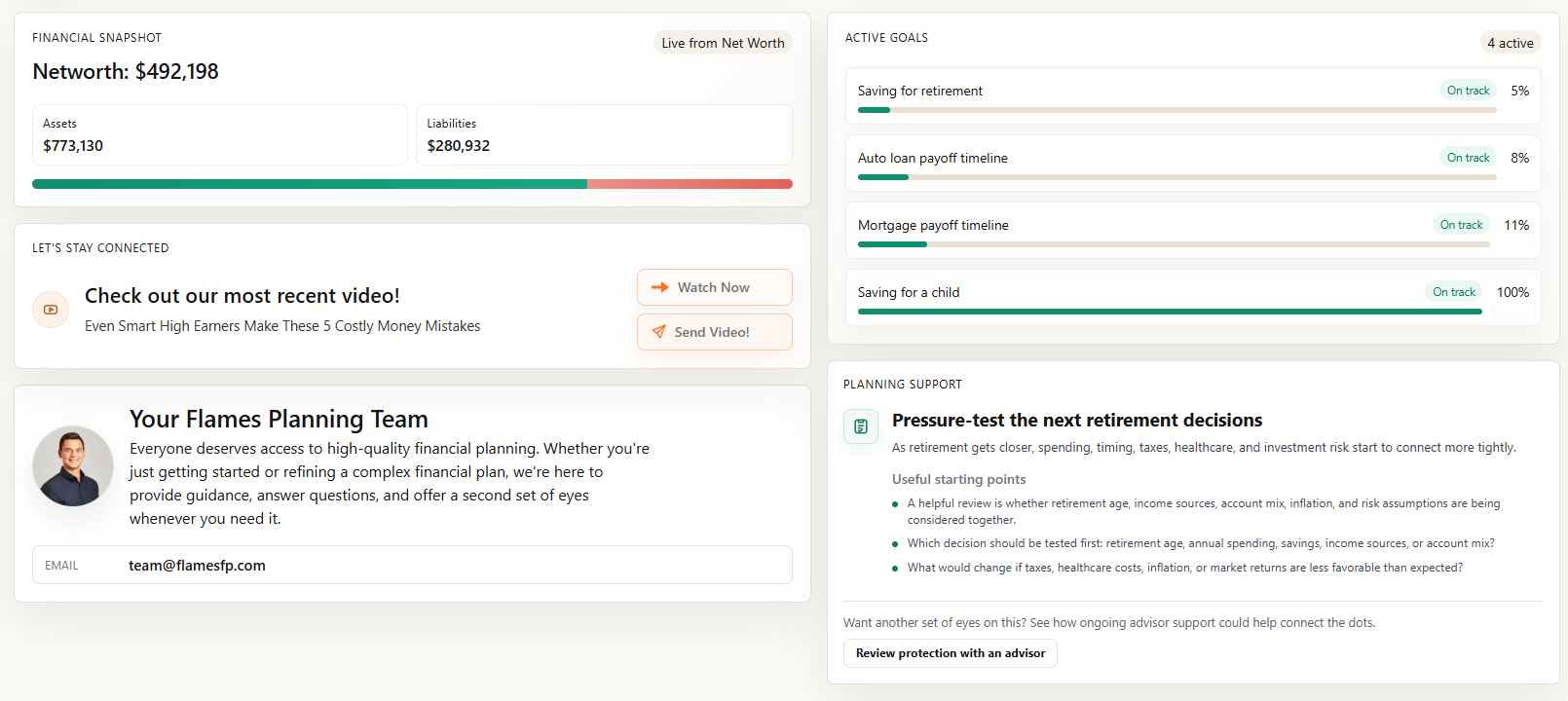
Direct answer
It is broader than a budgeting app, more structured than a spreadsheet, more connected than a single calculator, and more client-friendly than a traditional advisor portal. You can use it to organize your numbers before deciding whether you need personalized advisor help.
If you are comparing tools, start with the personal finance dashboard guide, then open the free dashboard when you are ready to enter your own numbers.
Track assets, liabilities, insurance, estate documents, and your overall net worth snapshot.
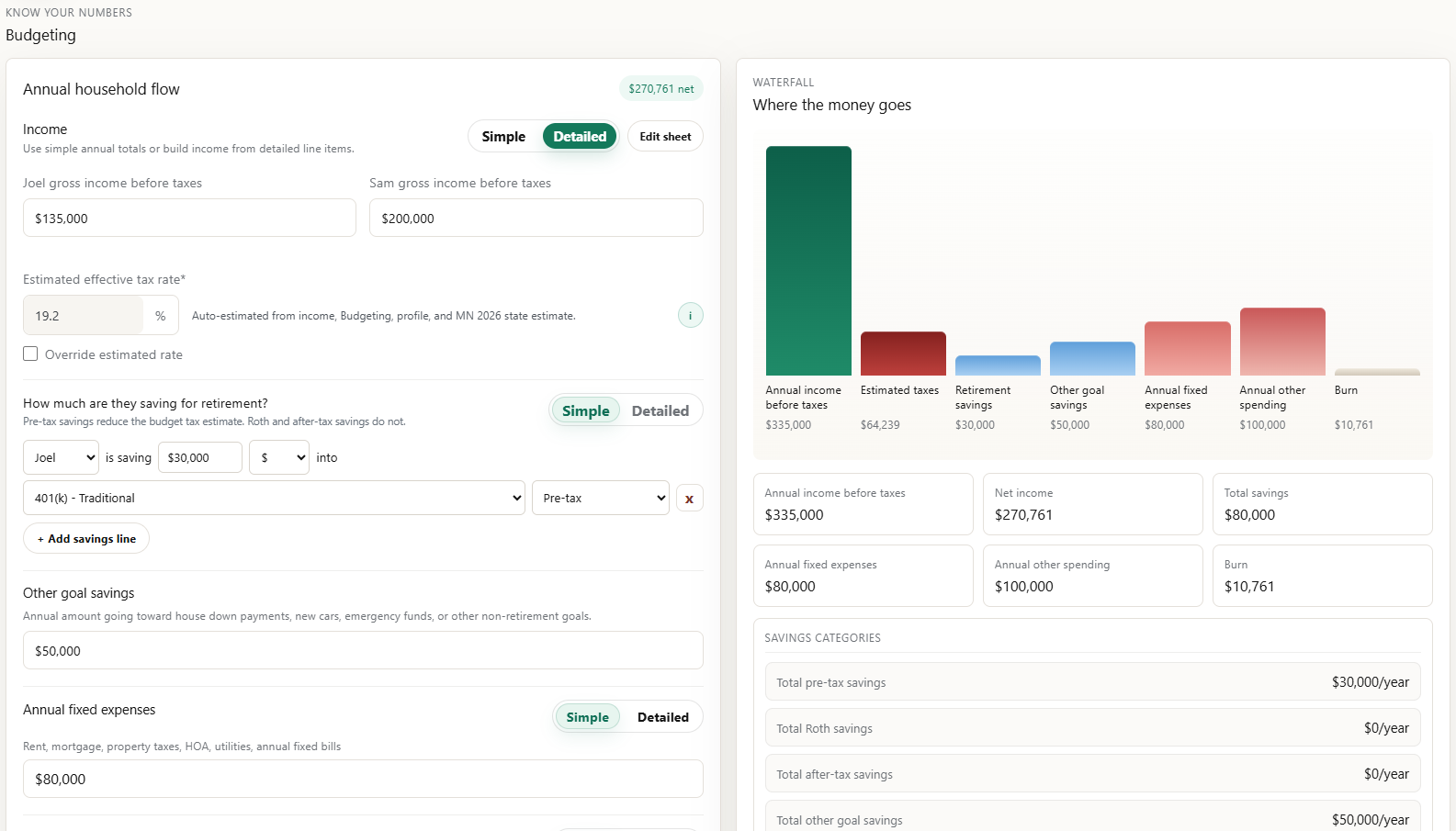
Explore net worth trackingBuild a simple or detailed household cash-flow view with income, estimated taxes, savings, fixed expenses, flexible spending, and burn.
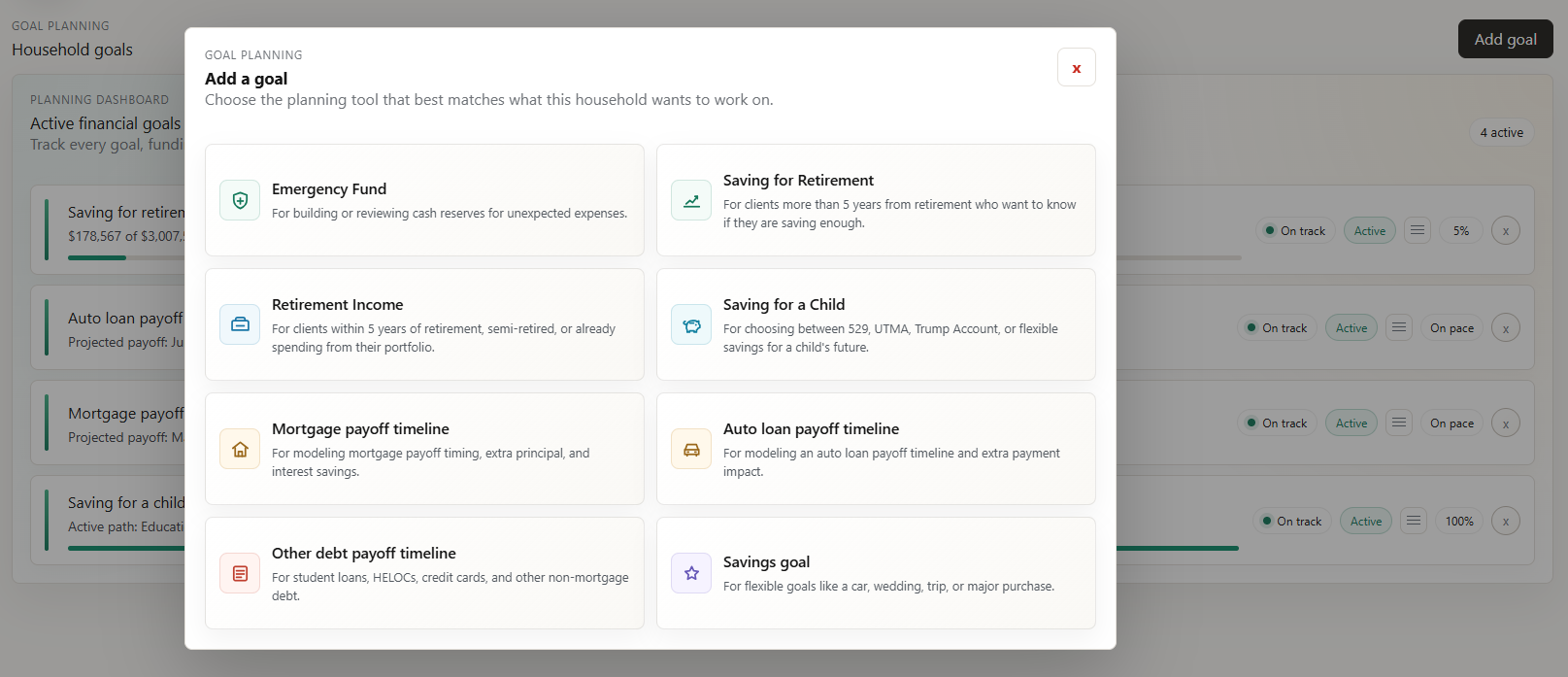
Explore budgetingUse emergency fund, retirement, child savings, payoff, and flexible savings tools to turn numbers into planning questions.
Explore goal planningFor someone who wants to learn the basics and organize their whole financial picture, the Flames Financial Dashboard is built as a free planning hub: net worth, annual cash flow, financial goals, emergency fund targets, debt payoff decisions, retirement estimates, insurance, estate documents, and planning questions in one place.
Free financial knowledge
The dashboard pages are written to answer common financial planning questions directly, then give you a free place to organize the numbers behind the answer.
Learn what counts as an asset, what counts as a liability, and how to track both sides of the household balance sheet.
Read the net worth guideUse annual household flow instead of tracking every transaction: income, taxes, savings, expenses, and remaining burn.
Read the cash-flow guideStart with emergency fund, retirement savings, high-interest debt, child savings, and major upcoming purchases.
Read the goals guideEstimate a target using essential monthly expenses, target months, and any extra household buffer.
Read the emergency fund guideCompare safety cash, interest rate, employer match, tax benefits, and payoff timing before sending extra dollars.
Read the debt payoff guideUse daily budgeting or subscription tools where they help, then use the dashboard for the broader planning picture.
Compare the toolsPrioritize emergency fund, debt, retirement, insurance review, child savings, and near-term cash goals.
Read the young family guideCompare budgeting apps, net worth trackers, spreadsheets, advisor portals, and broader planning dashboards before choosing where to organize your financial life.
Read the dashboard guideHow it works
The dashboard is built around connected planning inputs. Net worth can feed goals. Budgeting can feed savings assumptions. Goals can pull from accounts and debts you already entered.
Watch and learn
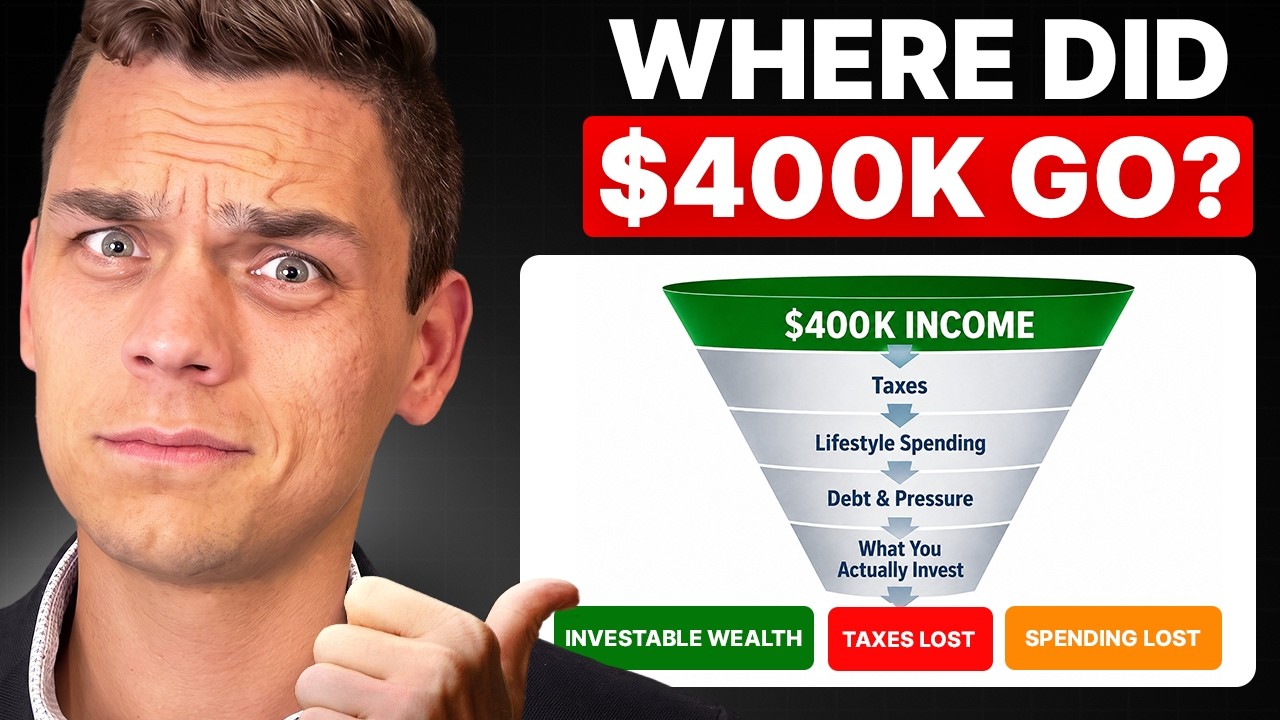
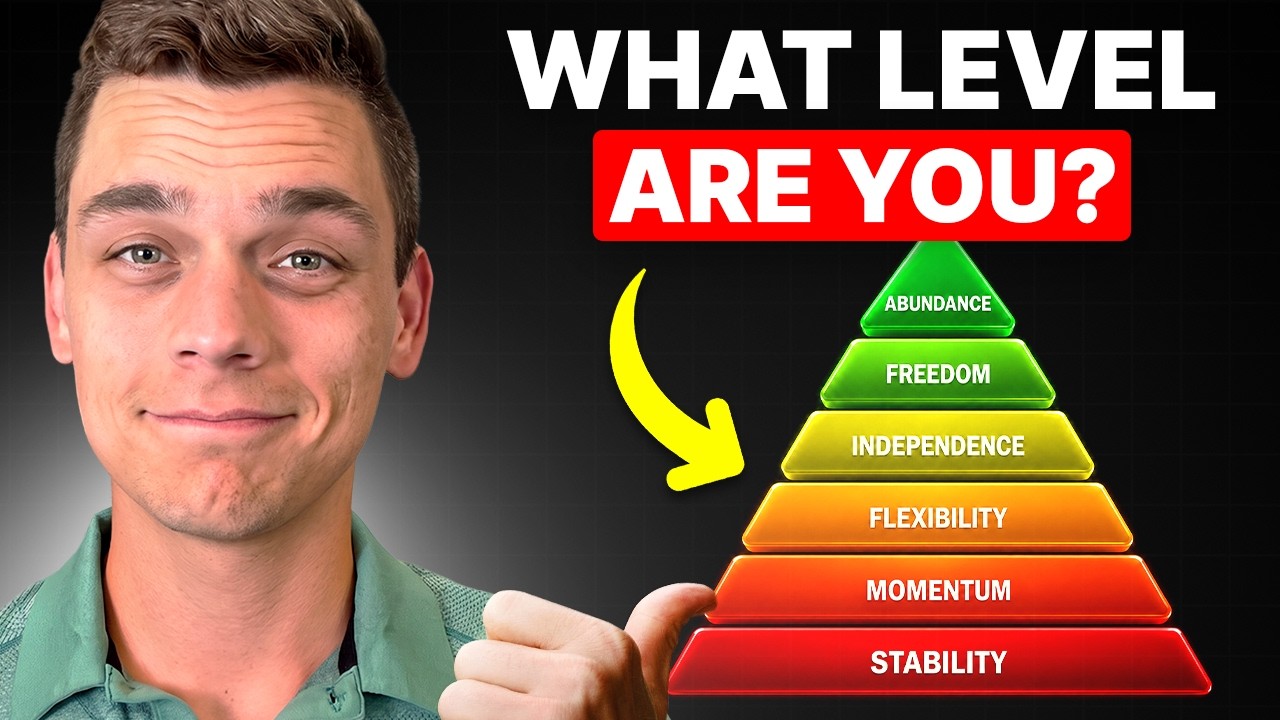
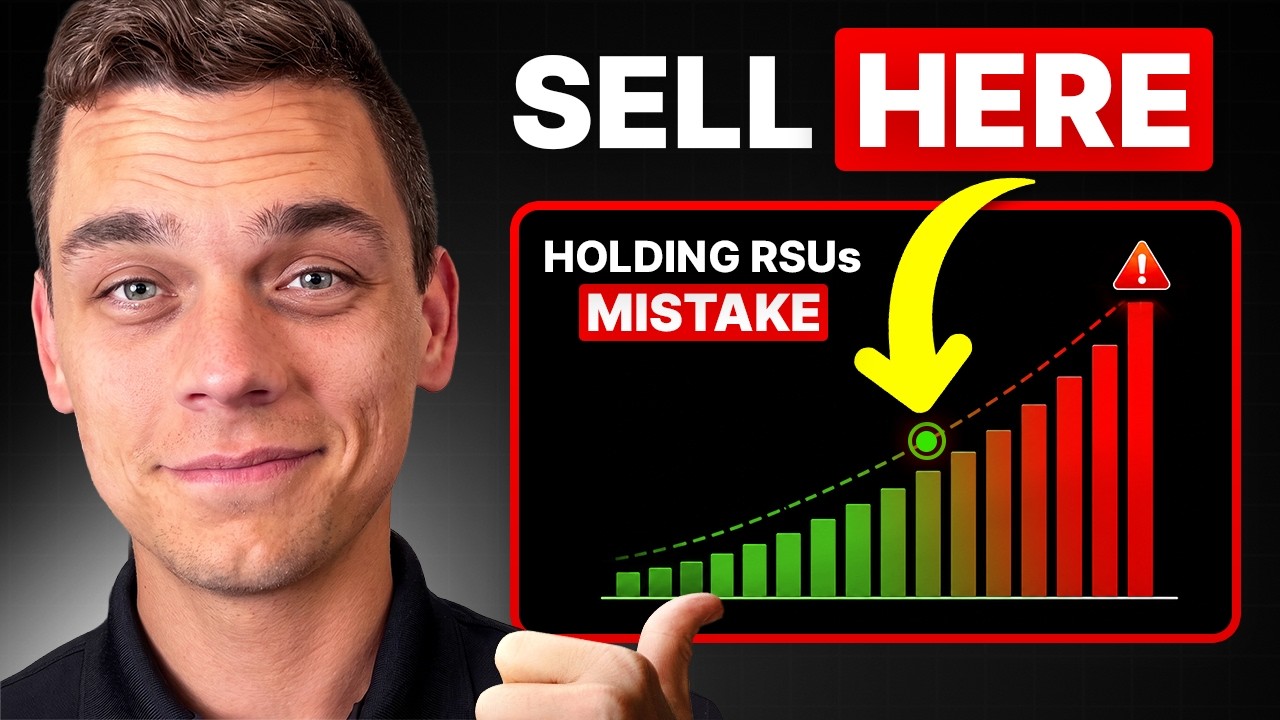
Start with three videos selected for this page, then use the controls to explore every published Flames FP video guide.
Videos 1–3 of 14





Dashboard plus advisor
The dashboard helps you see the plan. The advisor relationship helps you make the decisions.
Enter assets, debts, income, savings, spending, insurance, estate documents, and goals.
Use the dashboard to identify cash-flow gaps, payoff options, savings targets, and retirement questions.
Schedule a discovery meeting when you need personalized advice, implementation help, or a coordinated plan.
Common questions
Users can organize assets, debts, insurance, estate documents, household income, estimated taxes, savings, spending, financial goals, payoff timelines, and retirement planning estimates.
Yes. You do not need to become a Flames client to use the dashboard.
No. The free dashboard can be used for organization, literacy, and planning preparation. An advisor relationship adds personalized judgment and implementation help.
The dashboard helps users organize, estimate, and learn. A Flames advisor relationship adds personalized advice, professional judgment, implementation help, and coordinated planning across tax, investments, insurance, estate, and retirement decisions.
The pieces connect. Net worth can feed goals, budgeting can feed savings assumptions, and goals can pull from real accounts or debts.
Consider scheduling when your questions involve retirement readiness, tax strategy, investment allocation, insurance gaps, estate planning, business ownership, major debt payoff, or competing goals.
It can complement those apps or replace a spreadsheet for broader planning. YNAB and Rocket Money focus heavily on spending and subscriptions; the Flames Financial Dashboard focuses on net worth, annual cash flow, goals, debt payoff, retirement, insurance, estate documents, and planning education.
Use the Flames Financial Dashboard when you want one free place to organize the planning picture: assets, debts, cash flow, goals, emergency fund, debt payoff, retirement estimates, insurance, estate documents, and questions to review with an advisor if needed.
A personal financial plan template is a structure for organizing net worth, cash flow, goals, debt, insurance, estate documents, retirement assumptions, and the next decisions to review. The dashboard turns that template into a free working plan.
Start by gathering assets, debts, income, spending, insurance, estate documents, goals, tax questions, and retirement assumptions. The dashboard gives you one place to organize those items before a planning conversation.
Yes. The dashboard can be used by early-career professionals, young families, growing-complexity households, and pre-retirees because the core inputs stay the same: what you own, what you owe, what comes in, what goes out, and what decision matters next.
Use a spreadsheet if you want full control. Use the Flames Financial Dashboard if you want a more guided structure for net worth, cash flow, goals, emergency fund, debt payoff, retirement estimates, insurance, estate documents, and advisor-ready questions.
The Flames Financial Dashboard is an educational planning tool. It is not financial, tax, legal, or investment advice. Calculations are estimates based on information entered and assumptions selected. Review important decisions with a qualified professional before acting.