
Usually counts
Checking buffer, savings account, high-yield savings, money market deposit account, or other cash that is available without market risk.
Flames Financial Dashboard
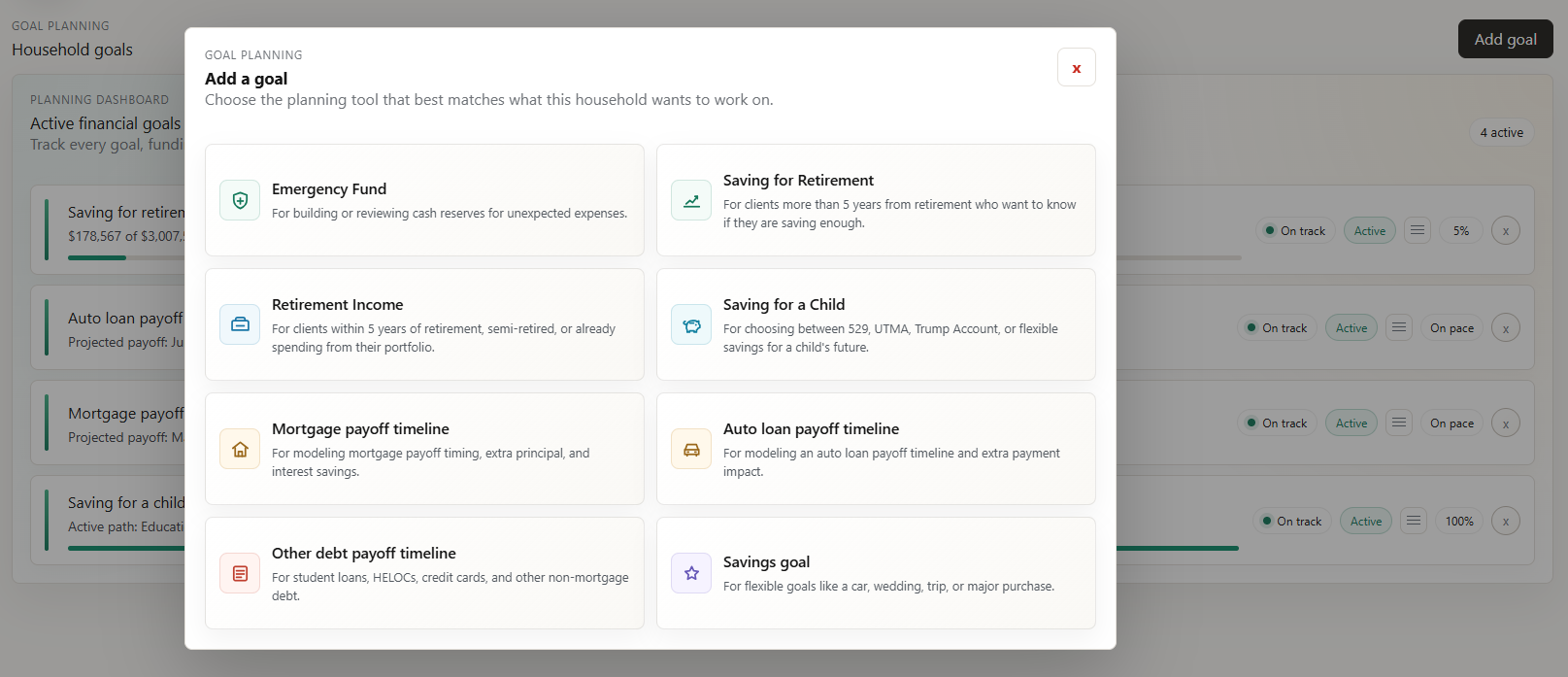
Estimate how much cash to keep, connect savings accounts to the target, and track the gap in the free Flames Financial Dashboard.
Direct answer
A common emergency fund target is 3 to 6 months of essential expenses, plus any extra buffer your household needs. Stable dual-income households may be comfortable closer to 3 months. Single-income households, families with dependents, homeowners, business owners, or people with variable income may want 6 months or more. The Flames Financial Dashboard helps you estimate the target, assign cash accounts to the goal, and see the remaining gap.
More questions
A common emergency fund target is 3 to 6 months of essential expenses, plus any extra household buffer. The Flames Financial Dashboard helps estimate the target, assign cash accounts to the goal, and track the remaining gap.
Emergency fund formula
The useful target is not a national average. It is based on your monthly fixed expenses, risk level, and assigned cash.
What to count
An emergency fund is meant to buy time when income stops, expenses spike, or life changes suddenly. It should not depend on selling volatile investments at the wrong time.
Checking buffer, savings account, high-yield savings, money market deposit account, or other cash that is available without market risk.
Retirement accounts, taxable investments, home equity, credit cards, and money assigned to near-term bills or planned purchases.
Income stability, dependents, home repairs, medical risk, job concentration, business ownership, and support obligations can justify a larger target.
FAQ
The best emergency fund calculator should use monthly essential expenses, target months, household risk, and current assigned cash. The Flames Financial Dashboard lets you estimate the target and track progress toward the goal for free.
Three months may be enough for a stable household with multiple incomes, low fixed expenses, and strong job security. More fragile households should consider a larger target.
Six months may be reasonable if income is variable, one earner supports the household, dependents rely on you, or home, health, or job risks are meaningful.
Usually no. Emergency savings should be available when needed. Investing can make the balance drop right when the household needs the cash.
Assign cash accounts to the emergency fund goal, set the target months and buffer, and compare current assigned cash against the target.
The Flames Financial Dashboard is an educational planning tool. It is not financial, tax, legal, or investment advice. Emergency fund targets are estimates and should be reviewed before major financial decisions.