
Emergency fund
Estimate the target using monthly essential expenses, target months, and extra household buffer.
Track emergency fundFlames Financial Dashboard
Young families often have too many competing priorities: emergency savings, debt, retirement, childcare, child savings, insurance, home costs, and near-term cash needs. Use the free dashboard to put the first priorities in one place.
Direct answer
The exact order depends on job stability, income, debt rates, employer match, childcare costs, home ownership, and family support needs. The goal is not to do everything at once. It is to make the first tradeoffs visible so the household can decide what needs attention now.
More questions
Many households should keep retirement savings moving before overfunding child savings, especially when an employer match is available. The right balance depends on income, debt, cash reserves, benefits, and goals.
Usually keep at least starter cash, make minimum payments, then prioritize high-interest debt while building toward a larger emergency fund.
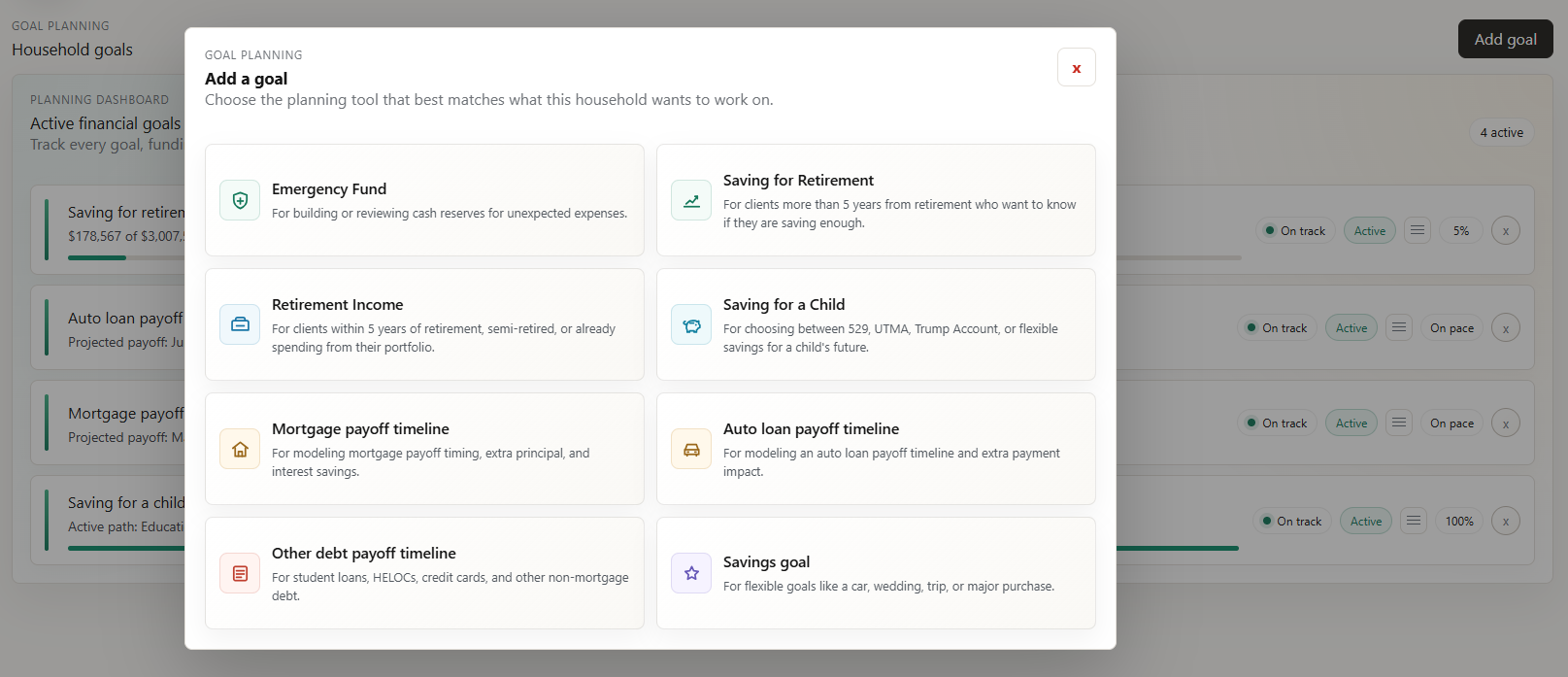
Use the Flames Financial Dashboard to track emergency fund, debt payoff, retirement savings, child savings, cash flow, assets, debts, insurance, estate documents, and planning questions together.
Priority order
This is a general planning sequence for getting organized. It does not replace personalized advice.
Build at least a starter emergency fund before sending every extra dollar to long-term goals.
Review employer retirement match, health savings account access, disability coverage, life insurance, and dependent care benefits.
Credit cards and other high-rate debts can crowd out every other goal if they are left unmanaged.
Even modest automated retirement savings can matter because young families have time on their side.
Education savings, childcare reserves, home projects, vehicles, travel, and major purchases should be visible instead of competing quietly.
Track in the dashboard
The Flames Financial Dashboard helps young families organize the facts behind the first big tradeoffs.
Estimate the target using monthly essential expenses, target months, and extra household buffer.
Track emergency fundCompare interest rates, minimum payments, extra payments, payoff timing, and interest saved.
Plan debt payoffConnect ongoing savings, employer contributions, existing accounts, assumptions, and retirement income goals.
Open goal plannerTrack education savings, flexible savings, and long-term child savings without pretending one account solves every child-related goal.
Add child savings goalUse annual household flow to see whether income, taxes, savings, and expenses leave room for the goals.
Plan cash flowReview assets, debts, insurance, estate documents, goals, and planning questions together.
Use dashboard hubCommon tradeoffs
Usually keep at least starter cash, make minimum payments, then prioritize high-interest debt while building toward a larger emergency fund.
Many households should keep retirement savings moving before overfunding child savings, especially when an employer match is available.
Young families with dependents should review life and disability coverage because income protection can matter as much as account growth.
Large fixed expenses can hide the real tradeoff. A cash-flow plan helps show what is already committed and what is available for goals.
Dashboard versus advice
The dashboard helps organize, track, learn, and prepare. A Flames Financial Planning advisor relationship adds personalization, professional judgment, implementation help, and coordinated decisions across taxes, investments, insurance, estate planning, retirement, and cash flow.
Use the dashboard to collect the numbers, identify gaps, and see which questions keep repeating.
Start FreeSchedule a discovery meeting when the tradeoff needs advice, not just tracking.
Schedule a discovery meetingThe Flames Financial Dashboard is an educational planning tool. It is not financial, tax, legal, or investment advice. Family planning decisions should be reviewed in the context of income stability, taxes, benefits, debt, insurance, estate documents, and household goals.